
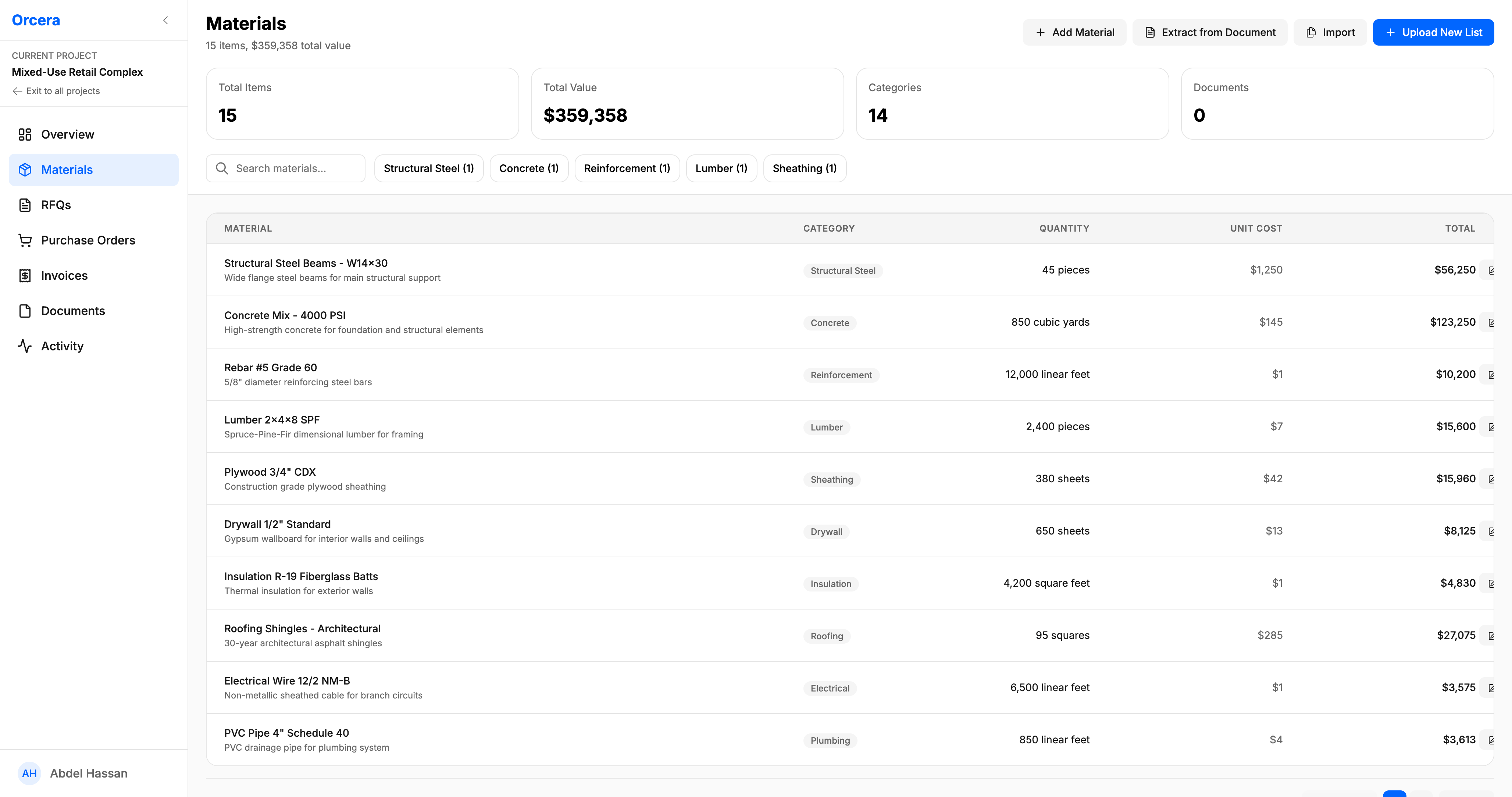

Tom Richardson runs operations at Sterling Construction, a $200M general contractor. Last September, he called me with a problem: "We're spending a fortune on materials, but I have no visibility into what we're actually paying. Each PM negotiates their own deals."
Four months later, Sterling had saved over $400K. Here's what happened.
The problem wasn't what they thought it was
Sterling assumed they had a vendor problem - too many vendors, inconsistent quality, delivery issues. The usual suspects.
But when we pulled their purchase data, the real issue became obvious: zero visibility. They were buying plywood at $8/sheet on one project and $11/sheet on another. Same material, same vendor sometimes, completely different prices. Nobody knew because nobody could see spending across all projects.
First month: just getting the data organized
We exported 18 months of POs from QuickBooks, Procore, and about a dozen Excel files floating around. Then standardized everything into one database.
The patterns were striking: 300+ vendors, but 80% of spend concentrated with just 25. Same materials purchased at wildly different prices. And vendors had no idea Sterling was buying $2M/year from them because it was spread across disconnected projects.
Vendor consolidation was politically messy
Tom's team cut from 300 vendors down to 85 strategic partners. Project managers pushed back hard.
"My lumber guy gives great service," one PM said. The data showed his lumber guy was 15% more expensive than alternatives. But Tom didn't just mandate the change - he showed PMs the numbers and let them decide. Most came around once they saw the cost difference.
Volume pricing changed everything
Armed with actual spend data, Tom could finally negotiate properly. He'd tell vendors: "We spent $2M with you last year across 15 projects. What if we guarantee that volume and commit to using you for 80% of our electrical needs?"
Vendors were hungry for volume commitments. They offered 12-18% discounts. Everyone won - Sterling got better pricing, vendors got predictable volume.
They made one major mistake
In month two, Sterling mandated all POs go through central procurement. Disaster. Procurement became a bottleneck - they couldn't keep up with request volume.
The fix: tiered approvals. Under $5K, PMs approve directly. $5K-$25K goes through procurement. Above $25K needs director signoff. Simple structure, no bottleneck.
Results after four months
Their CFO audited the numbers: 18% reduction in material costs, $400K+ in annual savings, RFQ-to-PO time dropped from 8 days to 3.
The unexpected benefit? Vendors were happier too. They got consistent volume and faster payments. PMs were happier because they spent less time on procurement admin.
Tom's takeaway: "You can't optimize what you can't see. Get all your spend data in one place first. The strategy becomes obvious once you can actually see the numbers."
Sterling's now testing predictive ordering - using project schedules to forecast material needs 4-6 weeks out. Early results suggest they can save another 5-7% by eliminating rush orders. We'll see how it plays out.